Some trips are taken with a suitcase, and others are taken with something harder to put into words. A sense of restlessness, an unanswered question, or simply the desire for a place to tell you something that everyday words cannot express. The religious tourism in Boadilla del Monte is part of that kind of experience that goes beyond the itinerary, and understanding why compels us to look at how the way we move through the world has changed.
What we mean by religious tourism today
For centuries, traveling to a sacred place was almost synonymous with a pilgrimage. Today, the concept has broadened. religious tourism no longer draws such a clear distinction between believers and non-believers, because what drives many travelers is not adherence to a doctrine but something more personal: the search for meaning, for silence, for perspective.
It is worth distinguishing between three approaches to this type of travel. Cultural tourism involves visiting places for their historical and artistic value; spiritual tourism seeks an experience of inner transformation regardless of religious tradition; and devotional tourism stems from a living faith and an active connection to a community of believers. All three are legitimate, all three often overlap, and all three have a place in destinations worth visiting.
Itineraries and destinations that invite you to take a closer look
Religious tourism in Spain has its own distinct landscape that extends far beyond the Camino de Santiago. There are cathedrals whose stones have absorbed centuries of prayers, monasteries tucked away in valleys that mass tourism has yet to discover, and chapels perched atop hills from which the landscape can only be contemplated in silence.
What sets a destination apart isn’t just that it’s beautiful or historic. It’s its ability to offer visitors something, to invite them to pause and feel that time moves differently inside than outside. Some criteria that help you make a good choice are the scale of the place, the coherence between the surroundings and the message, and the opportunity to participate in some way—whether in a service, a guided tour, or the silence shared with fellow travelers.
The Artistic Dimension of Religious Tourism
Sacred art in Madrid and throughout Spain is one of the great treasures of Western civilization, and also one of the least understood outside its context. A Romanesque carving, a Baroque altarpiece, or a contemporary sculpture with a religious theme are not merely museum pieces. They are languages, ways of expressing what conceptual thought cannot fully articulate.
Art serves as a gateway to experience when the traveler approaches it without haste. A single work, contemplated at leisure, can transform the viewer’s perception in a way that no text could. The beauty of a sacred space is not meant to impress, but to prepare the visitor, to create the conditions in which something can happen within.
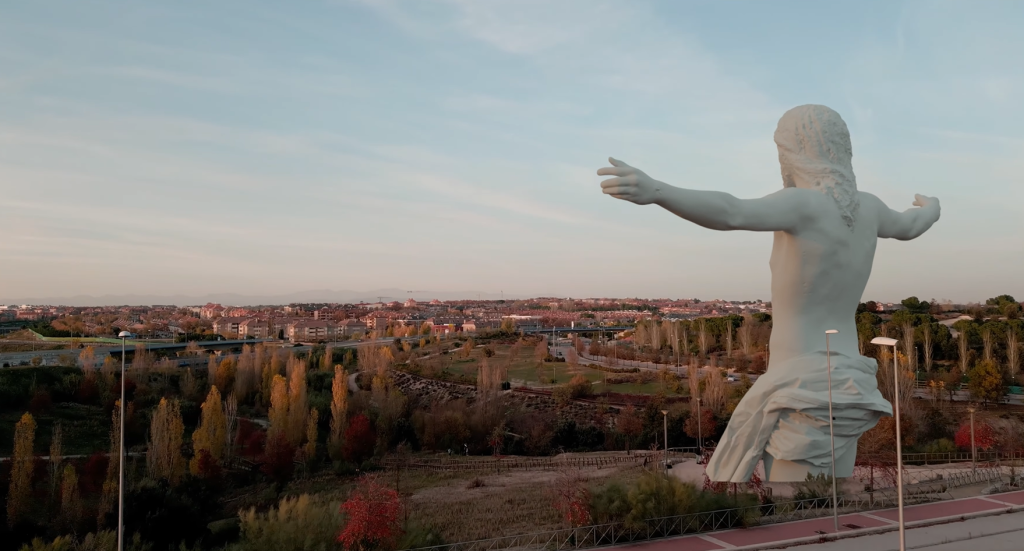
The Monument to the Sacred Heart of Jesus in Boadilla: a place that marks the way
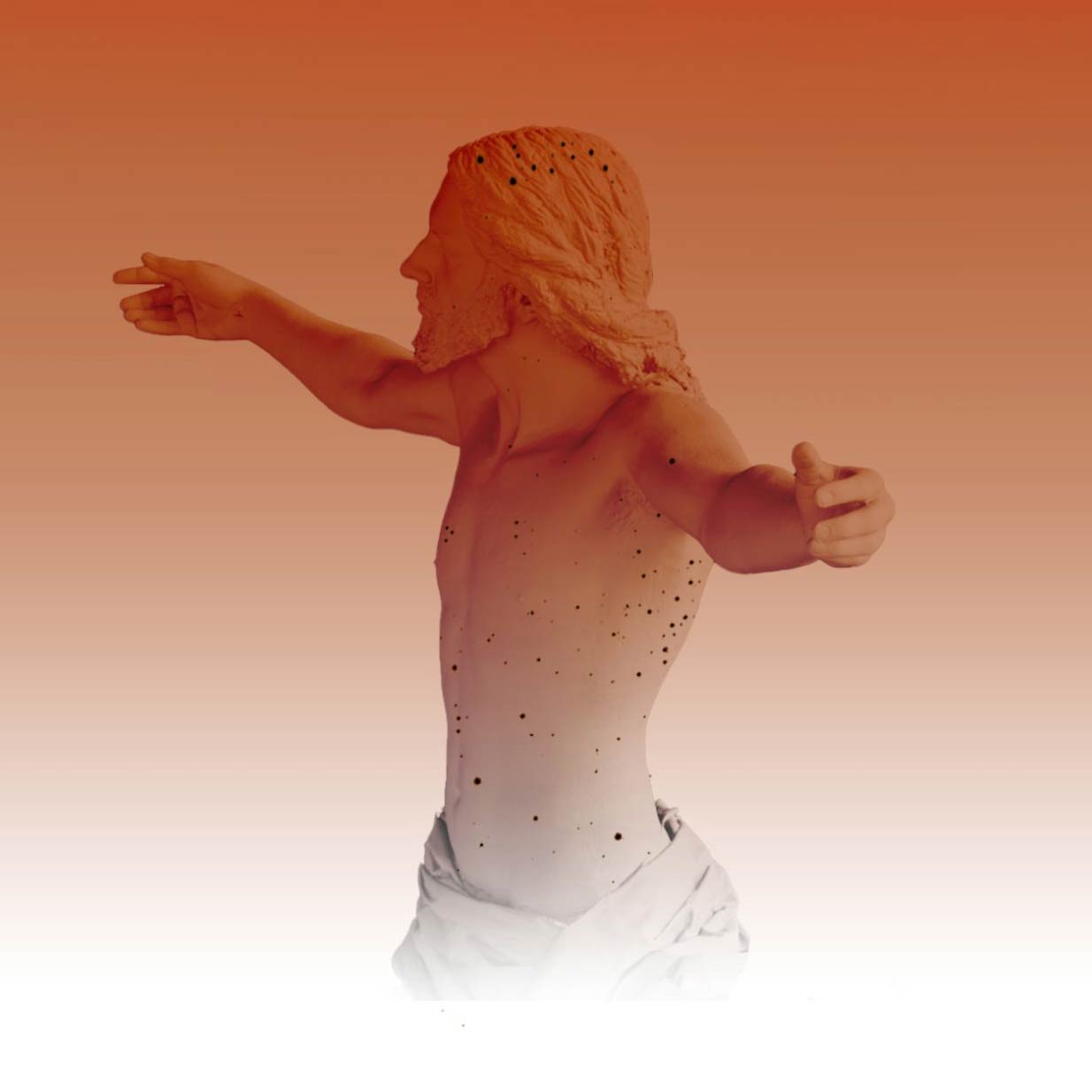
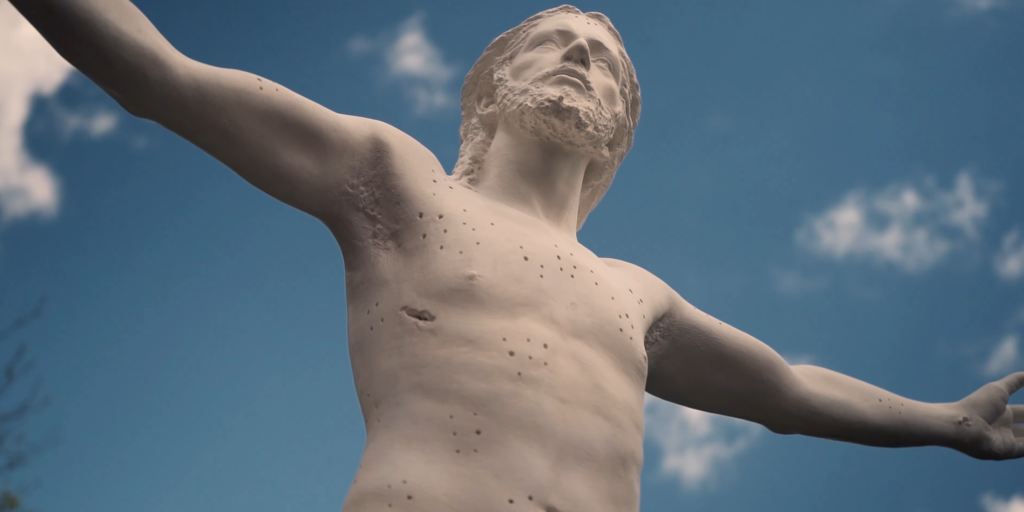
When we think of examples of religious tourism, we tend to think of large basilicas or established historical sites. But there are projects underway that are shaping the present of this tradition. The Monument to the Sacred Heart of Jesus in Boadilla is one of them, and its uniqueness lies in the fact that it does not come from the past but is being born now, with the active participation of a community.
The project we are promoting envisions a space for contemplation and worship, a place where visitors can pause and find the silence that is so hard to come by in cities. And there is something that makes it unique: it is set to become the largest Sacred Heart in the world, which positions it both as a symbol of hope and as a landmark for religious tourism in Madrid, with a reach extending far beyond the Community of Madrid. We do not seek to replicate forms of the past but rather to engage with them through a contemporary lens, because a space like this is not merely a monument; it is also a tourist landmark of Boadilla del Monte with much to offer the 21st-century traveler.
An invitation to support the monument and to continue on this path through Transfiguration
The religious tourism we want to develop in Boadilla del Monte doesn’t depend solely on stone and concrete. It depends on people who believe it’s worth making it happen. That’s why you can make a donation here to help bring the Monument to the Sacred Heart of Jesus in Boadilla to life, because every contribution becomes part of something that will endure—a place of gathering and beauty that will attract visitors from all walks of life.
And for those who want to follow this path from home, subscribe to the Transfiguración magazine is a way to stay closely connected to the project, to be nourished by content on art and contemplation that isn’t easily found elsewhere, and to feel that you, too, are part of something that grows with the community.